Introduction: The Traffic Challenge Every New Website Faces
So you just launched a brand new site. Whether it was through an agency or you handled the deployment yourself, it is a grand moment for you nonetheless. The next big challenge is something that every business and organization runs into at some point: getting traffic to their site. It doesn’t matter what product or service you offer, if nobody can find it, then you may as well have not even offered it.
One of the main ways that people can find your site is through search engines. Google, the most popular search engine, is usually used as a standard metric for seeing how your website performs in searches. Optimizing your project for these searches is the best way to get found. This is called SEO.
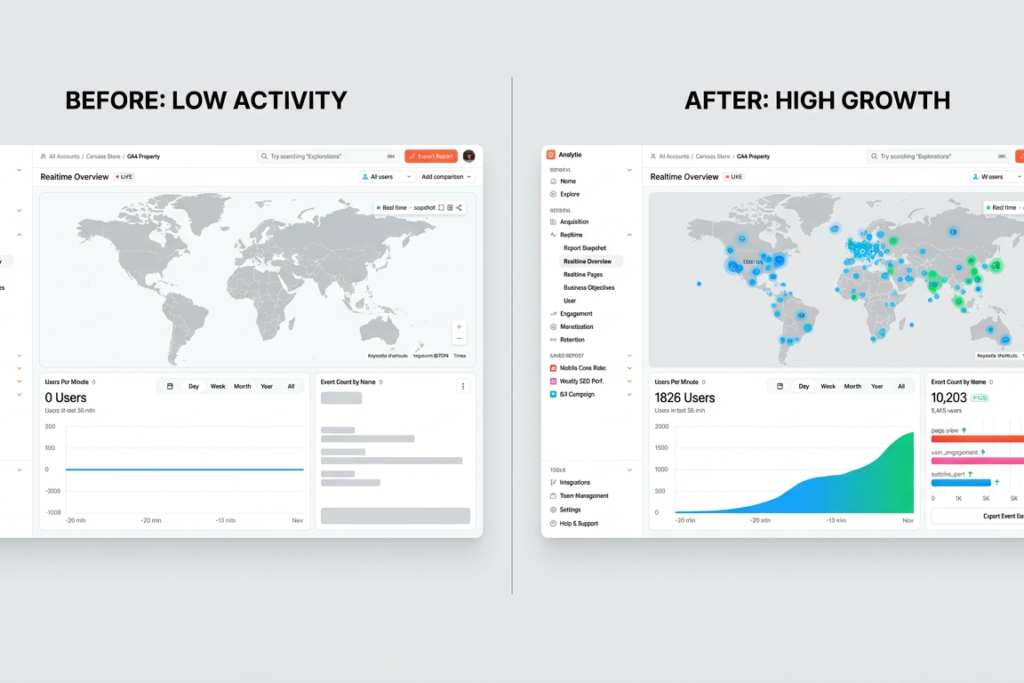
For most people who are not tech-savvy, they use the acronym SEO as a buzzword. It stands for Search Engine Optimization, and knowing how it works is what is going to give you an edge over the many projects competing for the number one spot on search engines.
How Search Engines Work: Understanding the Fundamentals
Not every search engine works the same, but they have general rules that are universal. Google processes search queries by the billions every day. Most people are searching for the answer to a question. Most people think that it works based on keywords and phrases. While I used to think that myself, I can tell you from experience that it is only a part of the bigger picture.
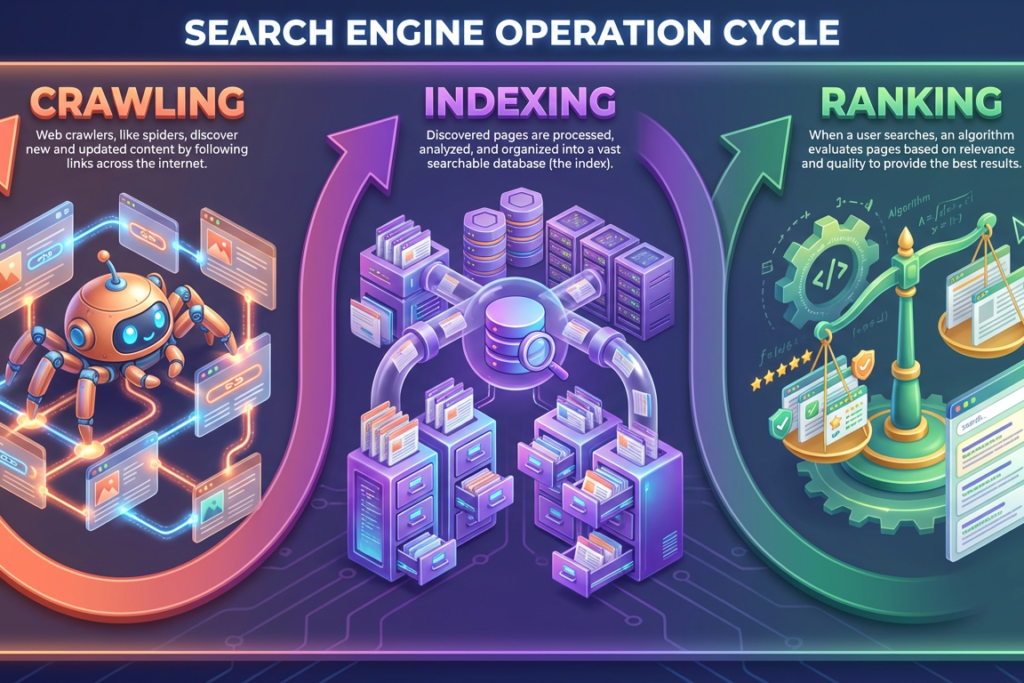
According to Google, they use web crawlers based on these keywords and phrases. The information is then prioritized based on relevance to the user’s search. These web crawlers explore the web regularly in order to provide users with the most recent data. It is a process of crawling, indexing, and ranking.
Stage 1: Crawling – How Search Engines Discover Your Content
This is the process of crawling the web and discovering new URLs. The search engine already has some information based on your domain and the metadata associated with it. What really makes this process helpful is making it easy for the crawlers to find every sub-link within your domain.
A lot of websites do this with what is called a sitemap, an index of all the links within your domain. These sitemaps can be presented as an XML format document or plain text file.

The crawlers, sometimes referred to as spiders, follow an algorithmic process for what pages to crawl and what information to index. Site owners do have a bit of control over what gets indexed based on their robots.txt file, network, and server settings.
Stage 2: Indexing – Organizing Your Website Content
If your page is able to be indexed with no issues, your images, videos, and heading tags will be analyzed and put into context. Based on the sorting algorithm and the search query, the page is then prioritized in searches. The algorithm takes into account the relevancy to the search, the quality of content, and the robot meta rules.
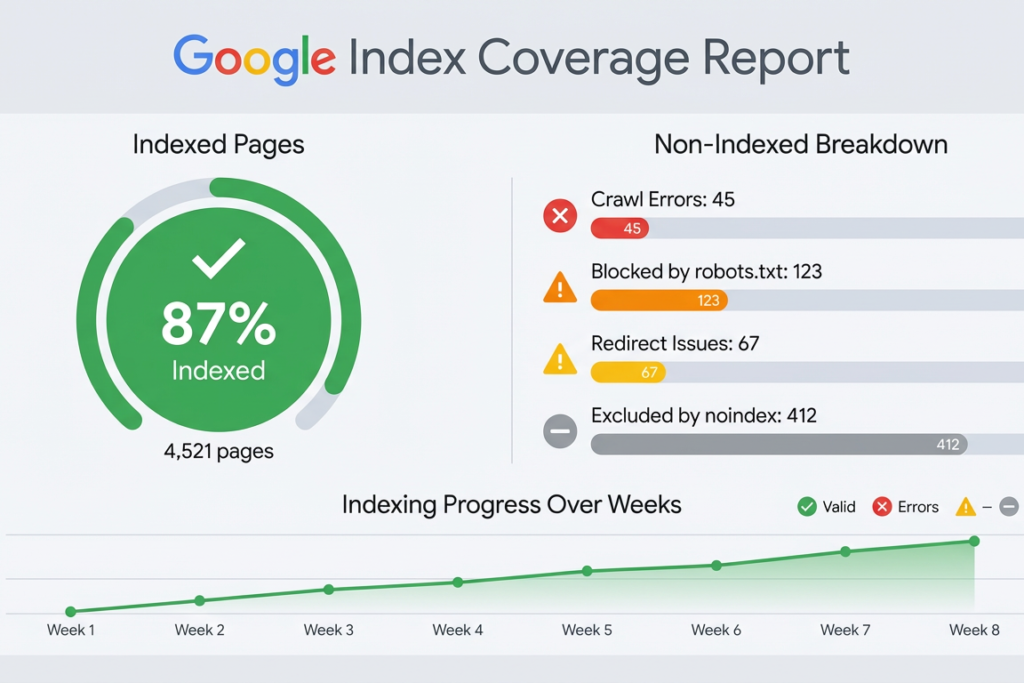
Pro Tip: Check Your Indexed Pages
One way to check which pages have been indexed by a particular site is to type the command below in any search engine using your domain, or use an Index Coverage Report:
site:yourpage.com
Stage 3: Ranking – Where Your Pages Appear in Search Results
When a user queries a term in the search box, the search engine displays an order of pages as a result. This is called the search rankings.
“When a user enters a query, our machines search the index for matching pages and return the results we believe are the highest quality and most relevant to the user’s query.” — Google
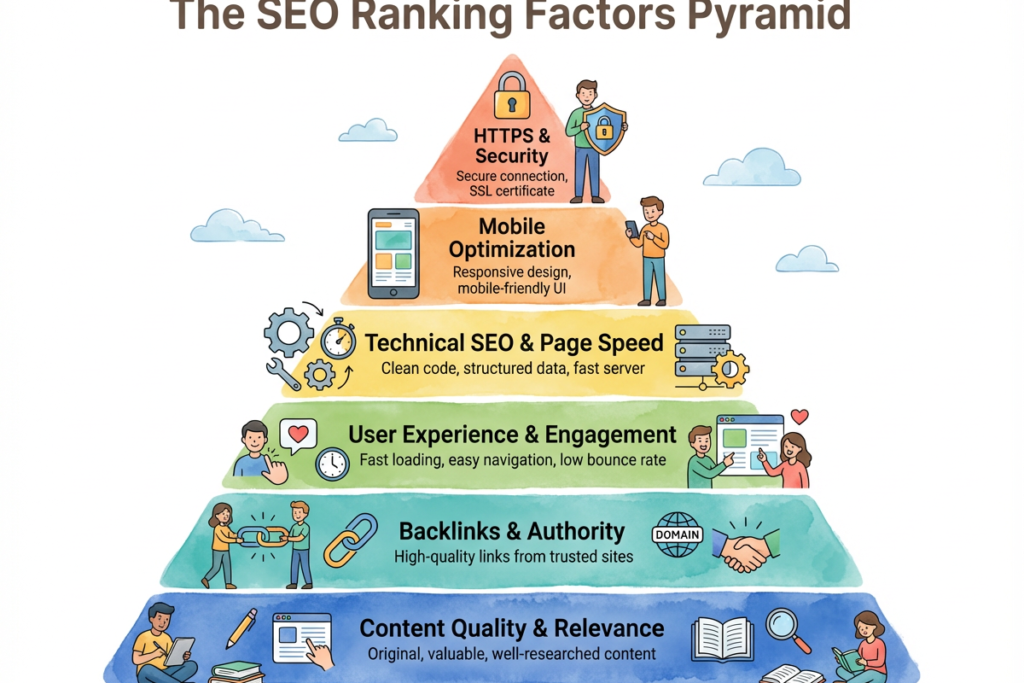
Other factors that come into play in ranking are:
- How recent the data is
- The frequency of new content
- Backlinks
- Search intent
- HTTPS security
- Mobile-friendliness
- Responsiveness
- Page speed
The more you cover your bases in all these categories amongst others, the higher probability of you ranking higher.
Understanding Site Authority and Domain Ratings
These three factors contribute to your site authority and your site SEO rankings. According to sites like Ahrefs and Semrush, authority scores are calculated from AI and machine learning based on the quality of backlinks, organic traffic, and the amount of spam. Moz says that domain authority is calculated by linking root domains and total amount of links, aggregated into a single score.
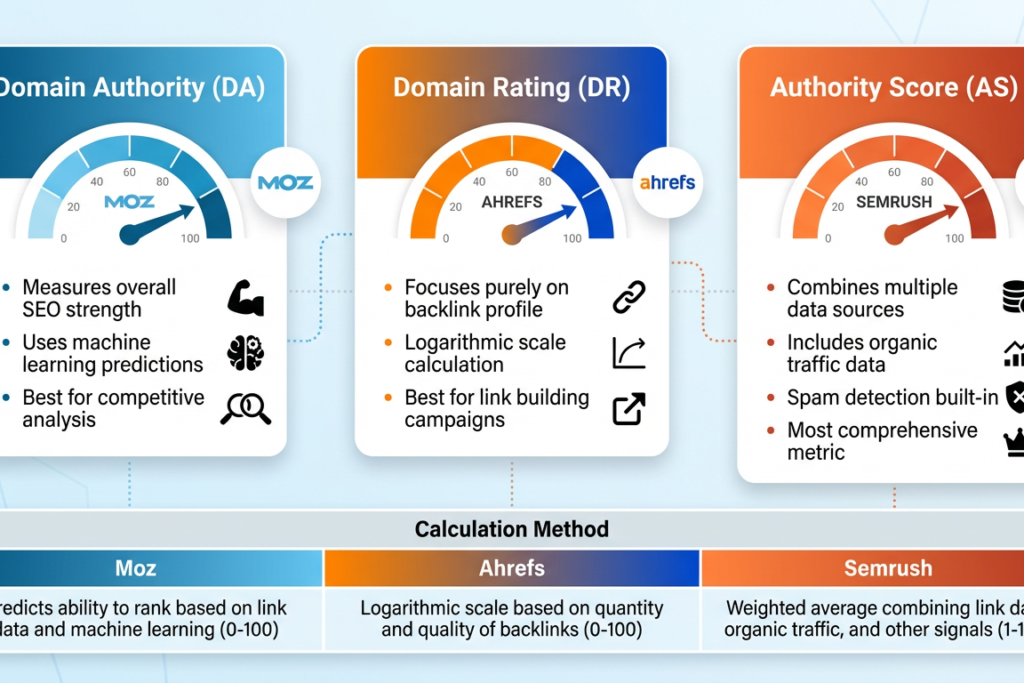
Backlinks are a major factor when it comes to your rankings. Your page domain authority, domain rating, or authority scores are taken into account, but only if it performs well on search engine results pages (SERPs).
Tracking Your SEO Progress: Essential Tools and Strategies
Google Analytics and Google Search Console
Google Analytics helps you keep track of the traffic on your website. It goes into great detail such as where your viewers are coming from, how long they are staying on the site, which pages are visited most, click rates, and bounce rates. Analytics allows you to diagnose whether or not your on-page SEO needs to be optimized.
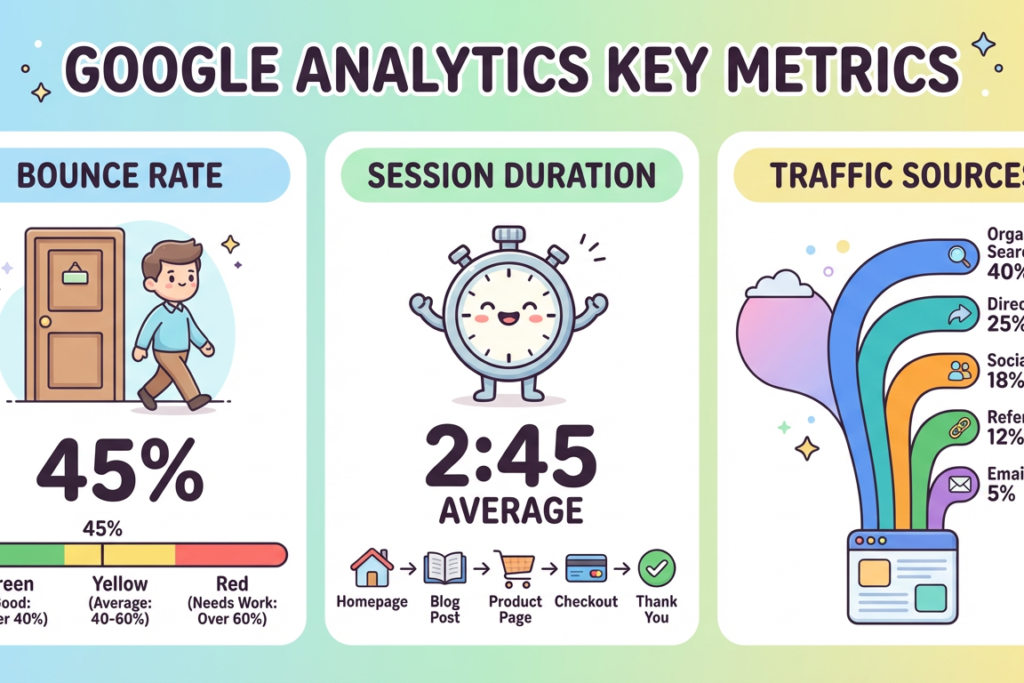
Google Search Console helps you monitor where your position lands in SERPs. These tools are both free to use, but there are other tools out there that are both free and paid that may offer you better results.
Using SERP Tracking Tools for Competitive Advantage
SERP tracking tools like Semrush monitor your site’s position on search engine results pages and allow you to deep dive into keywords and phrases. Keywords.com is another one that is commonly used for SERP tracking and monitoring your competitors.
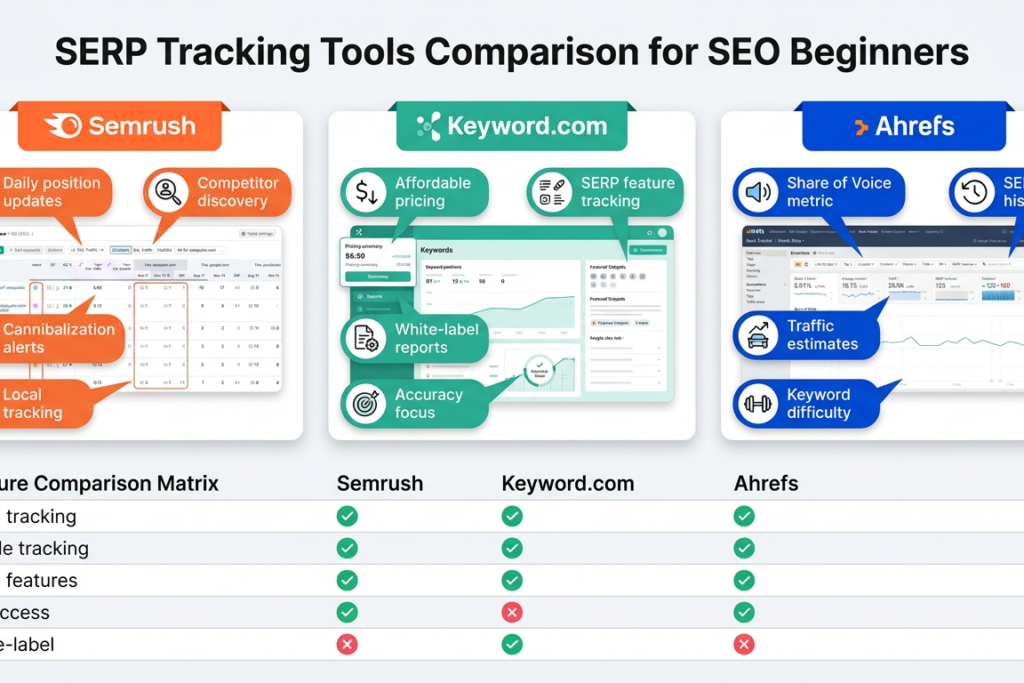
Monitoring your competition is a useful thing to do because you can get yourself on the right track by figuring out what is working for them and what you can do better. The goal is not to copy them but to overtake them.
What Makes Good SEO: Quality Over Quantity
So what happens when you have a low authority score, is it time to panic? It actually is not the end of the world. Local businesses often have low authority scores, but they are able to perform well because they rank in their specific geographic areas.
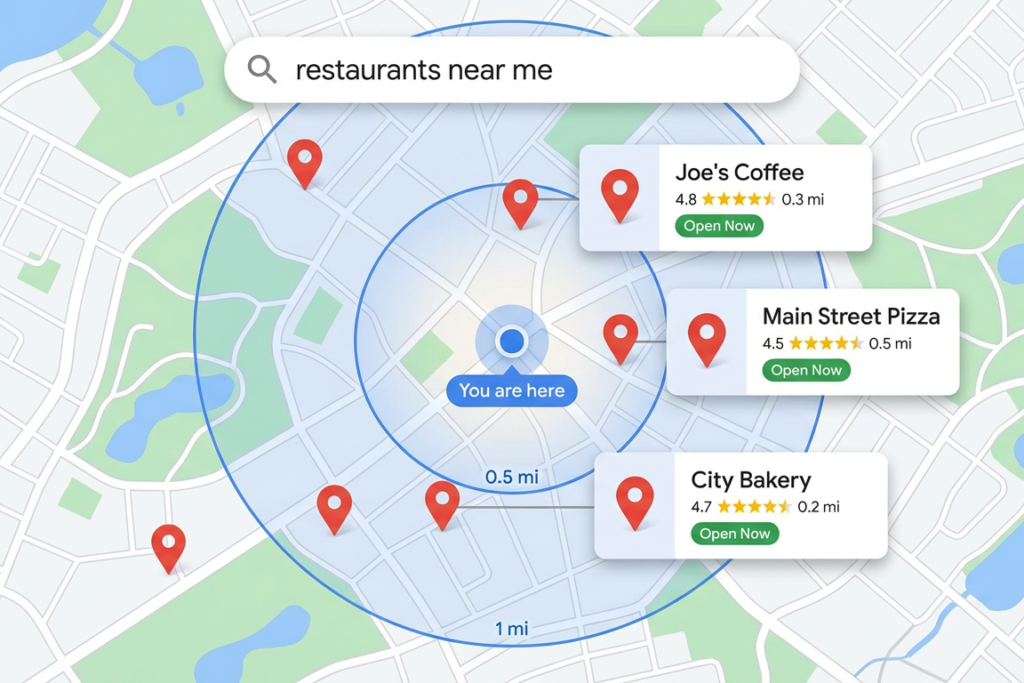
For example, if I search for “mechanics in Dallas, Texas,” I will get results for that specific location that I would probably never see if my search query was more general. Searches like “food near me” and “tech jobs in Seattle” are going to be less competitive, so a low domain authority won’t hold you back.
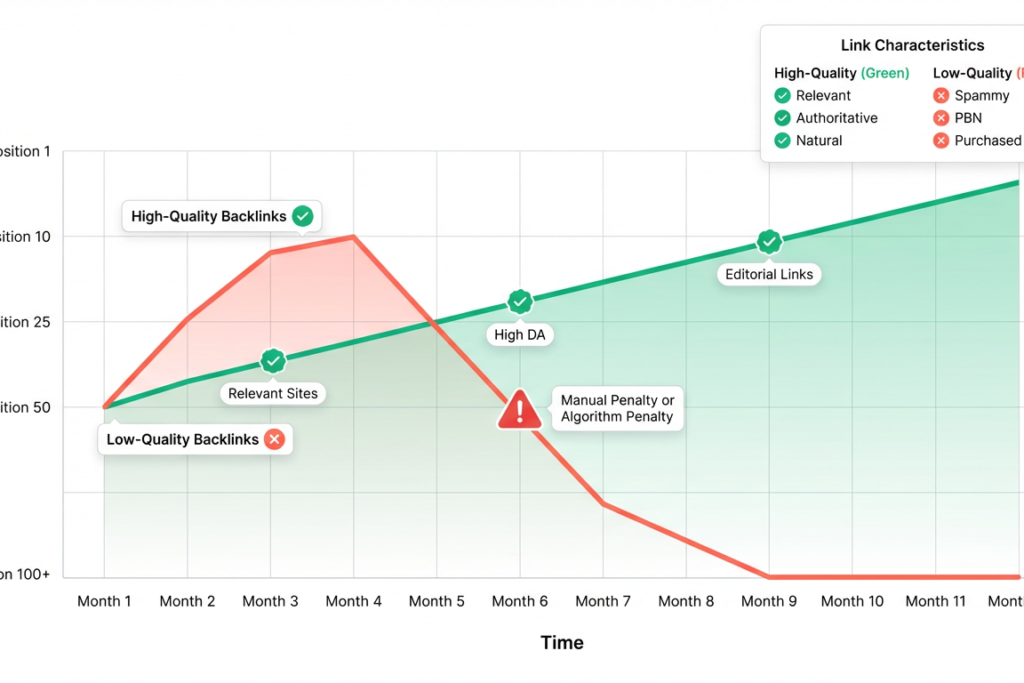
Having high-quality backlinks will help offset low domain authority as well. A site from a well-known brand like The New York Times or IGN is going to help you a lot more than a random blog that is relatively unknown.
Conclusion: Your Path to SEO Success
SEO is not just a buzzword—it’s a comprehensive strategy that combines technical optimization, quality content, and strategic link building. By understanding how search engines crawl, index, and rank your pages, you can make informed decisions that boost your visibility and drive organic traffic.
Start with the basics: ensure your site is crawlable, create quality content, monitor your performance with analytics tools, and build authoritative backlinks. Remember, SEO is a marathon, not a sprint. Consistent effort and smart optimization will compound over time, leading to sustained growth and higher search rankings.